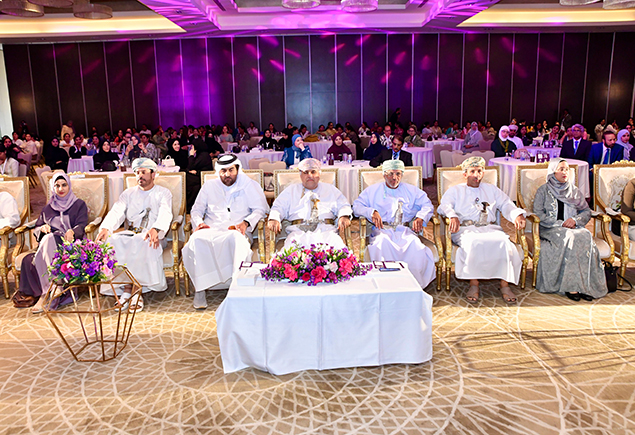
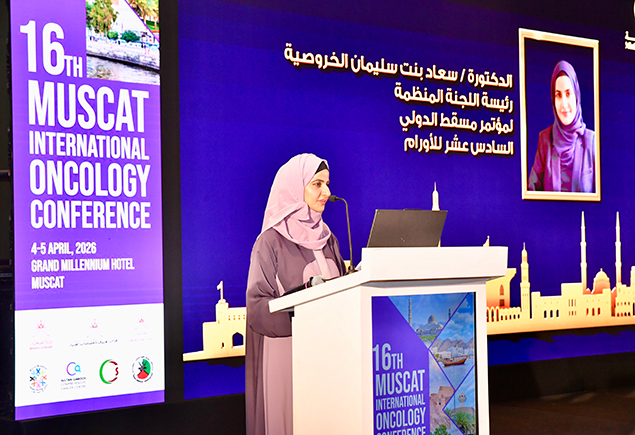
The 16th Muscat International Oncology Conference commenced today (Sunday) at the Grand Millennium Hotel, underscoring Oman’s growing stature on the map of specialized medical conferences and reflecting a national commitment to advancing healthcare quality, supporting scientific research, and facilitating global expertise exchange to develop cancer treatment systems in line with international standards.
The conference is organized by the Ministry of Health, represented by the Directorate General of the Royal Hospital’s National Oncology Center, and oncologists from the Sultan Qaboos Comprehensive Cancer Care and Research Center of the University Medical City.
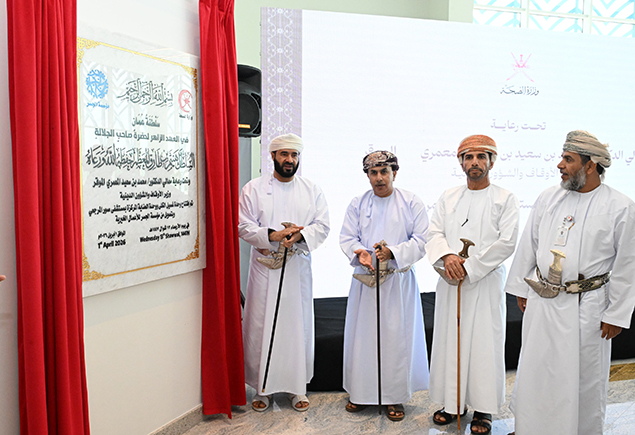
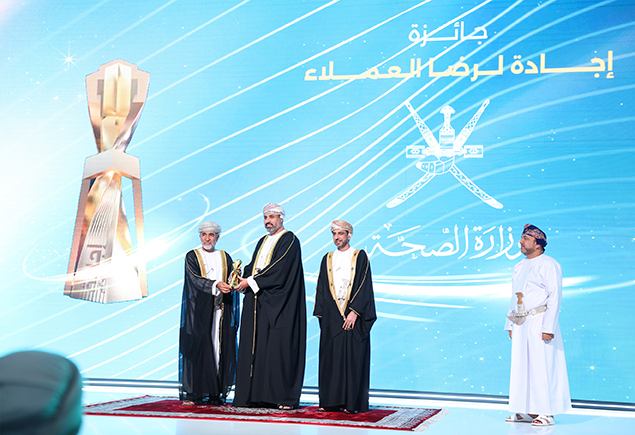
The opening ceremony was held under the patronage of His Excellency Dr. Saleh bin Salem Al Rahbi, Advisor at the Diwan of Royal Court, in the presence of H.E. Dr. Saeed bin Hareb Al Lamki, MOH’s Undersecretary for Health Affairs, along with several Ministry officials.
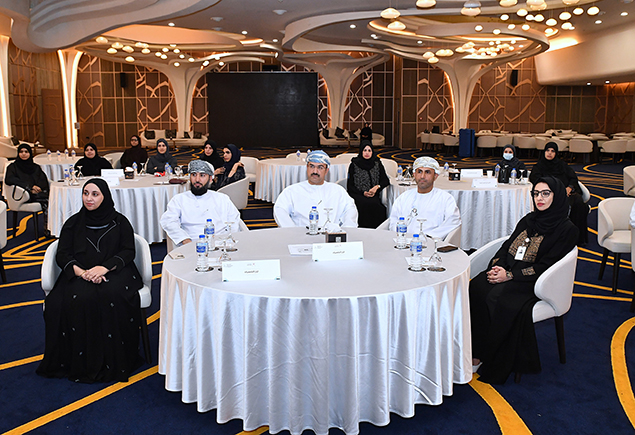
A distinguished group of physicians, consultants, and oncology experts from Oman and around the world is taking part in the scientific event, which highlights the rapid progress in the healthcare sector and fosters the exchange of expertise and knowledge in one of the most intricate medical specialties.
In her address, Dr. Suad Al Kharousi, President of Oman Society of Oncology (OSO), welcomed the attendees, noting that the 16th International Oncology Conference in Muscat represents a pivotal milestone in the field of oncology in the Gulf region since its launch in 2009.
She explained that since 2024, the conference has been the result of integration between the Oman Society of Oncology, the National Oncology Center, and the Sultan Qaboos Comprehensive Cancer Care and Research Center, reflecting the health institutions’ commitment to unifying efforts and integrating roles in developing treatment services.
Dr. Al Kharousi emphasized that holding the conference amid current global challenges—whether geopolitical, health-related, or climatic—demonstrates a firm belief in continuing scientific progress without interruption. She noted that the organizing committee has successfully overcome many obstacles, including during the COVID-19 pandemic and previous climate events.
She added that the conference aims to present the latest scientific advances in oncology, positively impacting patient outcomes, and features a distinguished lineup of international experts from the United States, the United Kingdom, and Ireland, besides regional leaders from Egypt, UAE, Kuwait, and experts from Oman.
She further explained that the working papers and scientific discussions will focus on the most significant developments of the past year that have a direct impact on daily clinical practice, expressing confidence that these dialogues will generate added scientific value and prove productive and motivating for all participants.
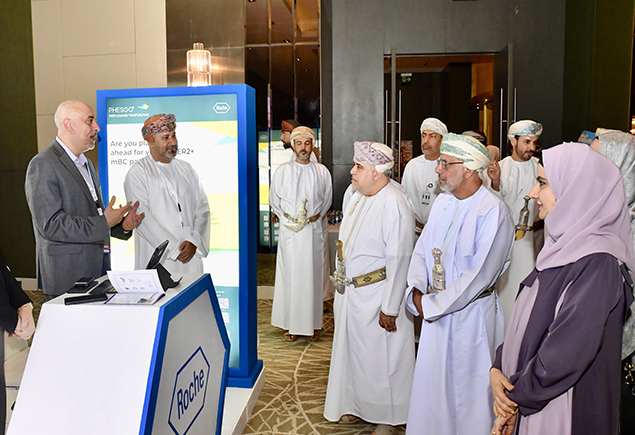
The opening ceremony also featured a presentation and a lecture addressing the role of community support in serving cancer patients, alongside honoring the event’s sponsor. The proceedings concluded with a tour of the participating companies’ exhibition, which showcased the latest technologies and therapeutic solutions in the field of oncology.
the two-day conference addresses a range of advanced scientific themes, including the latest innovations in diverse and targeted therapies, early diagnosis techniques, as well as a review of clinical trials and global best practices in cancer patient care—contributing to the enhancement of healthcare service quality.
The conference wrapped up with a series of important recommendations, highlighting the advanced role of both immunotherapy and targeted therapy in improving treatment outcomes for lung and breast cancer, as well several other types of cancer.
The final statement also underscored the significance of relying on advanced genetic testing (NGS) to determine patient prognosis and select the most appropriate treatment for each individual case.
The recommendations further stressed the need to keep pace with and implement global guidelines and recommendations, particularly those issued by American and European scientific bodies. Strengthening multidisciplinary collaboration was also emphasized as essential to providing integrated therapeutic care in line with the latest scientific standards.
It its concluding recommendations, the conference affirmed the importance of continuing to support scientific research and enhancing international cooperation.
The Muscat International Oncology Conference is regarded as one of the premier specialized scientific events in the region, serving as an important platform to promote scientific research and knowledge exchange, while supporting Oman’s efforts to advance its healthcare system and achieve the best possible treatment outcomes for patients in line with the latest international standards.