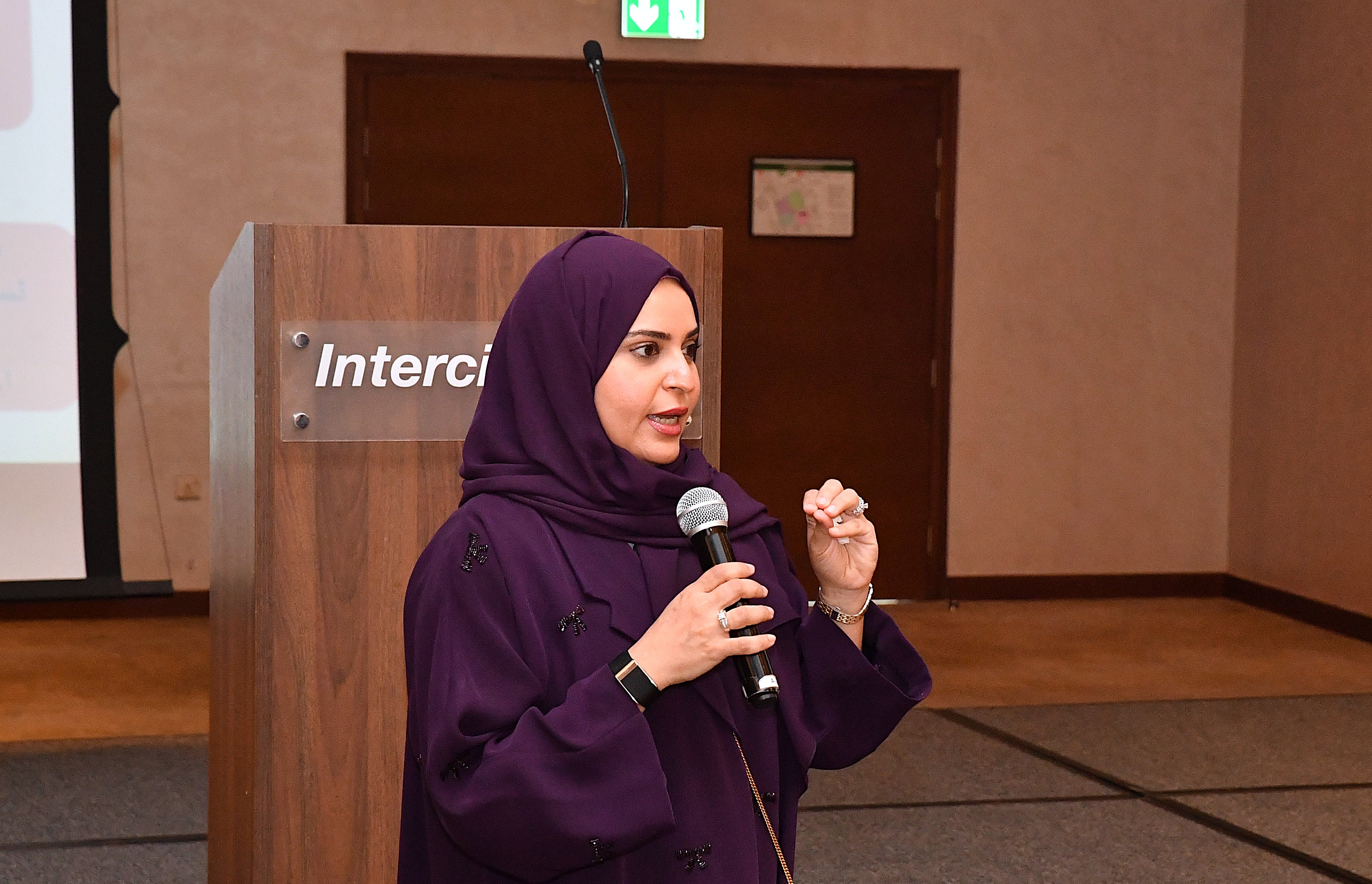
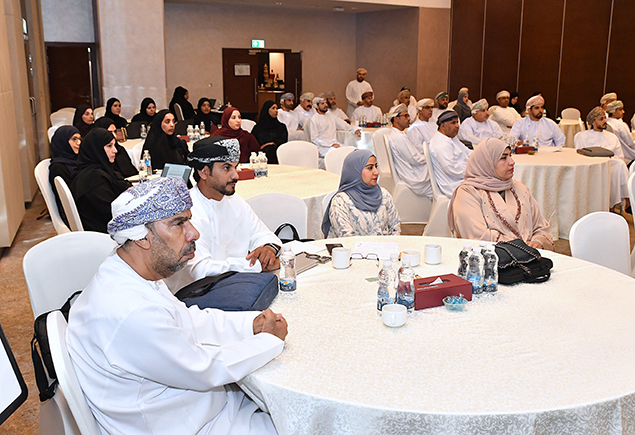
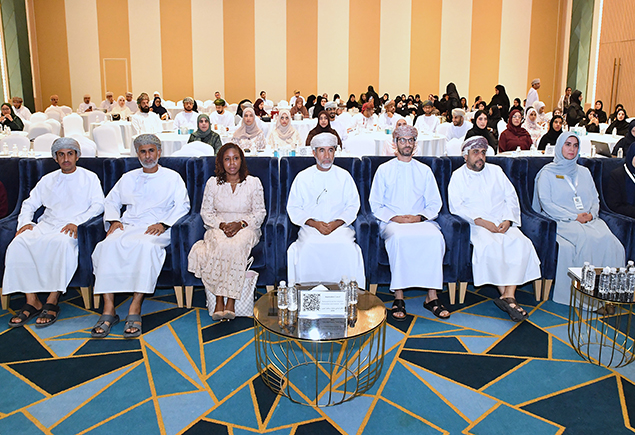
Aiming to develop a national strategic plan for the prevention of non-communicable diseases (NCDs), strengthen Oman’s healthcare system, and advance the country’s sustainable development goals, the developmental workshop for preparing the National Strategy for the Prevention of Non-Communicable Diseases commenced today, Sunday, at the Intercity Hotel in Muscat.
Organized by the Ministry of Health in collaboration with the Oman Vision 2040 Implementation Follow-up Unit, the workshop brings together broad participation from various relevant national entities. The workshop will continue through 24 September 2026.
The workshop starts with an overview of its objectives and scope of work, an explanation of the methodology for defining and detailing initiatives and projects, and efforts to ensure alignment among the teams responsible for the strategic pillars and supporting enablers. This will pave the way for developing priority initiatives and translating them into actionable implementation plans.
The workshop focuses on six key pillars: tobacco control; promoting healthy diets; promoting physical activity; promoting mental health; strengthening early detection program for non-communicable diseases; and activating the national framework for monitoring, follow-up, and evaluation. These pillars are supported by key enablers, including targeted legislation and policies, financing, communication and media, and community partnerships.
The Tobacco Control pillar addresses two key areas: regulating the circulation of tobacco products, their derivatives and related devices, while strengthening oversight and enforcement; and promoting preventive behaviors to reduce the use of tobacco and its derivatives.
The Healthy Diet pillar focuses on reducing salt consumption and curbing rising rates of overweight and obesity.
The Physical Activity pillar covers two key areas: creating supportive and enabling environments that encourage physical activity; and establishing a sustainable awareness system to promote physical activity. Meanwhile, the Mental Health pillar addresses supportive environments, specialized human resources, and day rehabilitation services.
The Early Detection of Non-Communicable Diseases pillar covers early detection of non-communicable diseases, early detection of breast cancer, and early detection of colorectal cancer. The Activation of the National Monitoring, Follow-up and Evaluation Framework pillar focuses on mortality, registries, surveys, and monitoring the national response.
The pillar teams will work in parallel with the overarching enablers supporting implementation, namely targeted legislation and policies, financing, communication and media, and community partnerships.
The workshop will be conducted in two main phases. The first week will focus on developing and defining the proposed initiatives and projects and aligning the pillars with the supporting enablers, culminating in a review of the outputs and their approval by the Technical Committee. The second week will be dedicated to preparing and finalizing detailed implementation plans for the approved initiatives, followed by their review and the necessary revisions based on the feedback provided by the Quality Assurance Team.
The workshop is expected to conclude with clear outcomes, including initiative and project profiles, a final approved list of high-impact initiatives, as well as detailed plans outlining the implementation and monitoring pathway for the next phase.