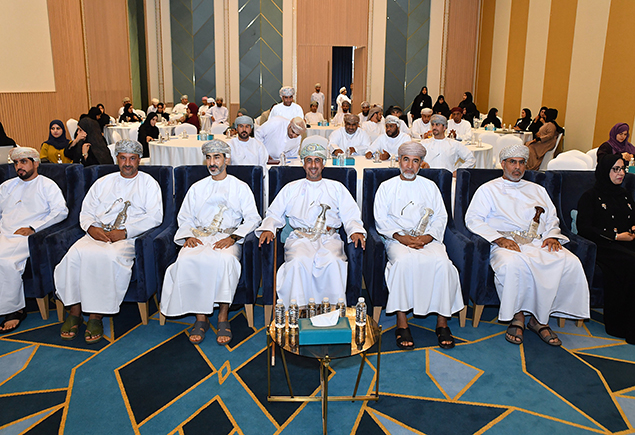
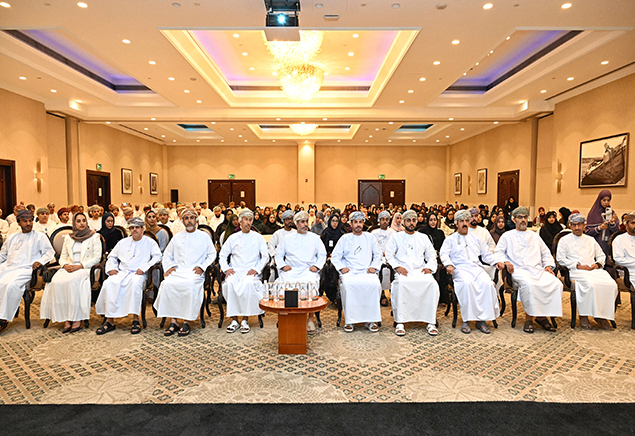
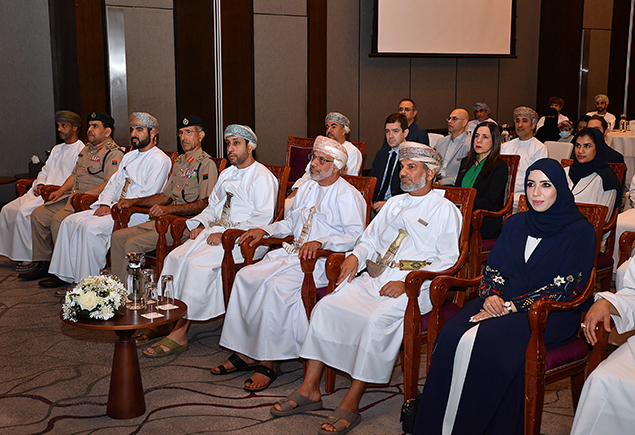
The Ministry of Health (MOH), represented by the Directorate General of Planning (Strategic Planning Department), organized today (Sunday) at Ma’ani Hotel in Muscat the national workshop titled “Participatory Approach in Health Services Planning.”
The workshop was inaugurated by H.E. Eng. Masoud bin Said Al Hashmi, Governor of South Al Batinah, in the presence of H.E. Dr. Ahmed bin Salem Al Mandhari, MOH Undersecretary for Planning and Health Regulation, Dr. Qasim bin Ahmed Al Salmi, Director General of Planning at the Ministry of Health, along with several Ministry officials.
The one-day workshop targeted 70 participants, including Directors General and their representatives from the Governors’ offices, as well as directors and heads of planning departments from health planning and regulation departments across various health directorates in the Sultanate of Oman.
Dr. Qasim Al Salmi, Director General of Planning, delivered a speech highlighting that the workshop represents a significant milestone in the development of Oman’s health planning system. He described it as a key foundation for establishing a unified, evidence-based institutional approach capable of effectively responding to current needs while anticipating future requirements, particularly at a time when the need to strengthen integration among various entities and expand partnerships to include the community.
Dr. Al Salmi added that Oman’s health sector has witnessed substantial progress over the past decades, reflected positively in health indicators and the quality of services provided. However, demographic shifts, epidemiological changes, and rising societal expectations now demand more sophisticated and comprehensive planning approaches that go beyond partial solutions, moving toward integrated strategic planning that balances needs, equity, efficiency, and sustainability.
He also pointed out that, based on this vision, a national guide has been developed to serve as a clear reference framework and methodology for health services planning. The guide aims to unify concepts, standardize procedures, and enhance integration between national and local levels, ensuring that health resources are directed toward real priorities and used optimally while maintaining service quality and accessibility for all segments of society. Dr. Al Salmi emphasized that the guide views planning not merely as a technical exercise but as a comprehensive participatory process grounded in rigorous scientific analysis of demographic and health realities. It fosters coordination among the Ministry of Health, Governors’ offices, directorates general of health services, relevant entities, and the community itself—recognized as a key partner in identifying needs, setting priorities, and ensuring the sustainability of solutions.
Dr. Al Salmi stressed that the success of health planning is not measured merely by the number of facilities or the scale of expansion. Rather, it is determined by the health system’s ability to provide the right service, at the right place, at the right time, and with the required quality, while ensuring equity in distribution, spending efficiency, and sustainability of resources. He underscored the importance of knowledge- and data-driven decision-making and expressed his aspiration for constructive outcomes that will strengthen Oman’s health planning system, support sustainable health development, and contribute to achieving the objectives of Oman Vision 2040.
Dr. Khulood Al-Mafraji, Director of the Planning Department at the Ministry of Health, delivered a presentation on the national methodology for health services planning. Abdullah Al-Abri from the Strategic Planning Department of the Directorate General of Planning presented a visual briefing on health services planning standards. Furthermore, Dr. Hanan Al-Mahrouqi, also from the Directorate General of Planning, provided a presentation on the implementation steps for the next phase of the workflow.
The workshop also included a panel discussion addressing challenges and proposed solutions, as well as a practical training session on health services planning standards.
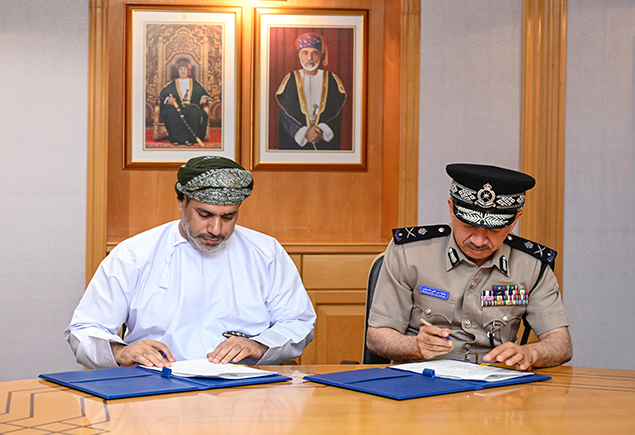
During the workshop, the National Guide for the Health Services Planning Methodology was officially launched. The guide marks the beginning of a new phase of structured institutional work, requiring adherence to the methodologies and standards it outlines, the development of national capacities in analysis, planning, and evaluation, and the enhancement of health information systems. This framework aims to translate theoretical guidance into tangible impacts that directly improve human health and well-being.
The workshop served as a platform for dialogue and knowledge exchange, aiming to deepen the shared understanding of the methodology, clarify implementation mechanisms, and review roles and responsibilities, ultimately fostering consistent and effective planning practices across the governorates.