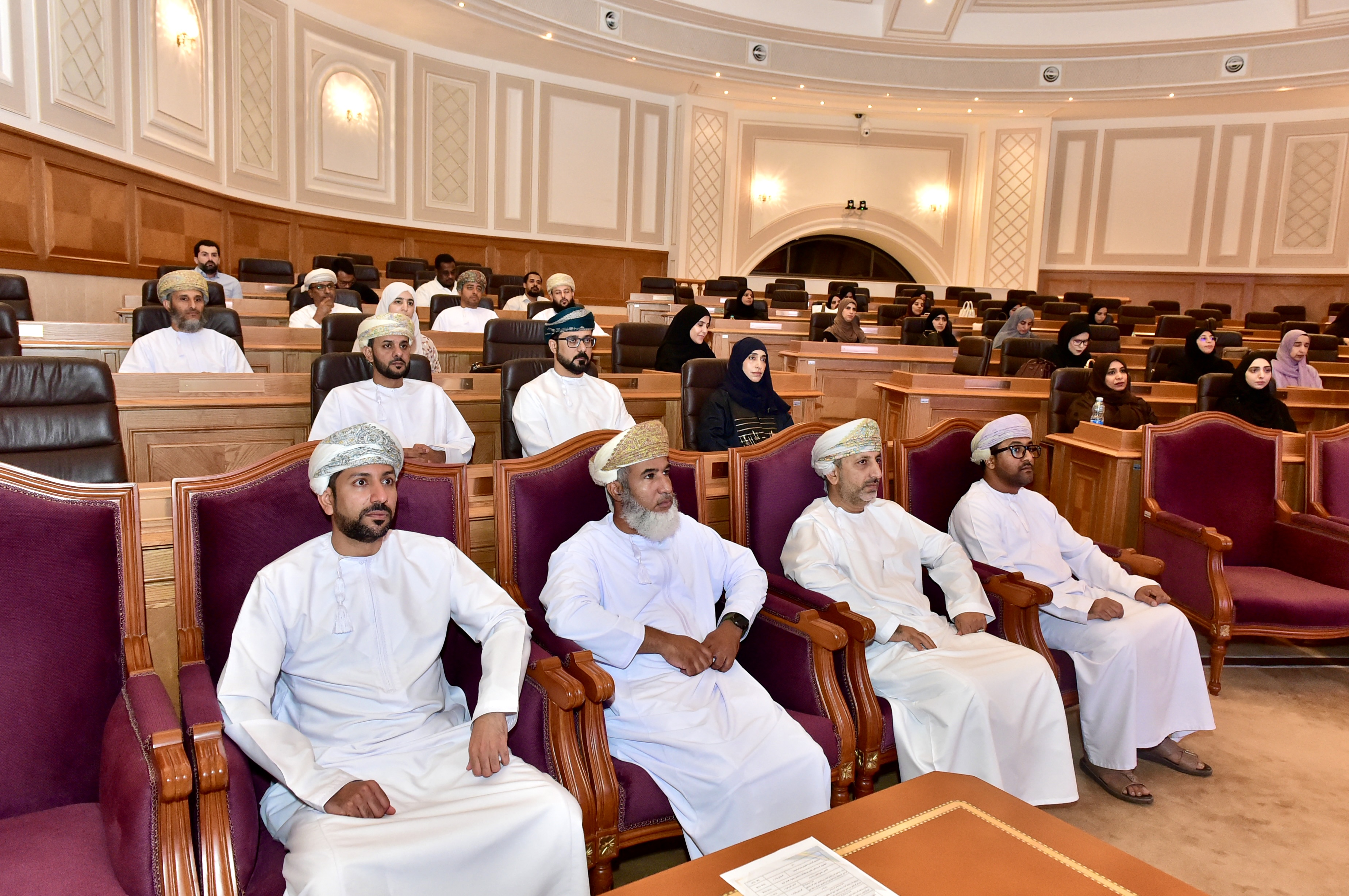
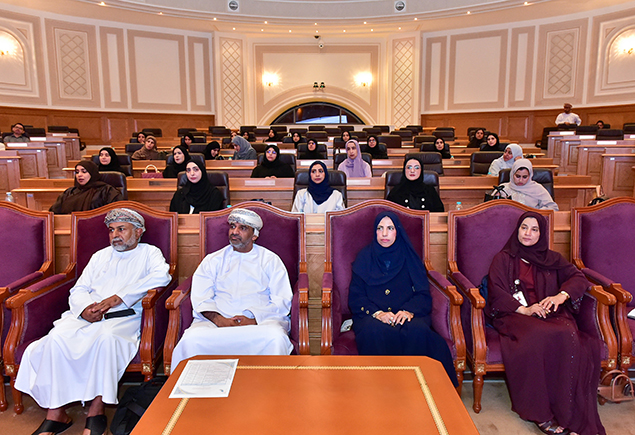
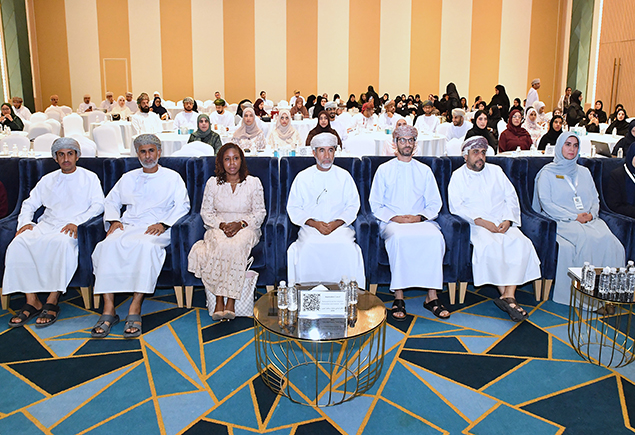
To promote the concept of High-Value Care in primary and specialized healthcare institutions, the Directorate General of Health Services and Program at the Ministry of Health (MOH) today (Monday) organized a training workshop on implementing the Rasheed recommendations for High-Value Care in primary healthcare, emergency medicine, and dermatology. The workshop was held at the Sultan Qaboos Higher Centre for Culture and Science in Muscat.
The workshop aimed to enhance clinical decision-making among family physicians, emergency physicians, and dermatologists through the appropriate use of laboratory and diagnostic tests and medications, while reducing low-value medical practices that provide limited or no clinical benefit to patients and may result in increased costs or unnecessary interventions.
Furthermore, the workshop aimed to familiarize participants with the Rasheed Recommendations and the principles of High-Value Care, promote evidence-based medical practice, reduce unnecessary tests and treatments, improve patient safety and quality of care, and reinforce the concept of the responsible and equitable use of healthcare resources. It also sought to prepare representatives from the governorates to serve as advocates for implementing the recommendations and supporting their dissemination across healthcare institutions.
The Rasheed Recommendations cover the appropriate use of laboratory tests, imaging and diagnostic procedures, evidence-based medication practices, chronic disease management, preventive screening, and referrals to higher levels of care.
The training workshop was attended by physicians and healthcare specialists in primary healthcare, emergency medicine, and dermatology, as well as directors of health services and program departments from all governorates of the Sultanate of Oman. This ensured the integration of clinical, administrative, and operational perspectives to support the implementation of the recommendations at the governorate level.
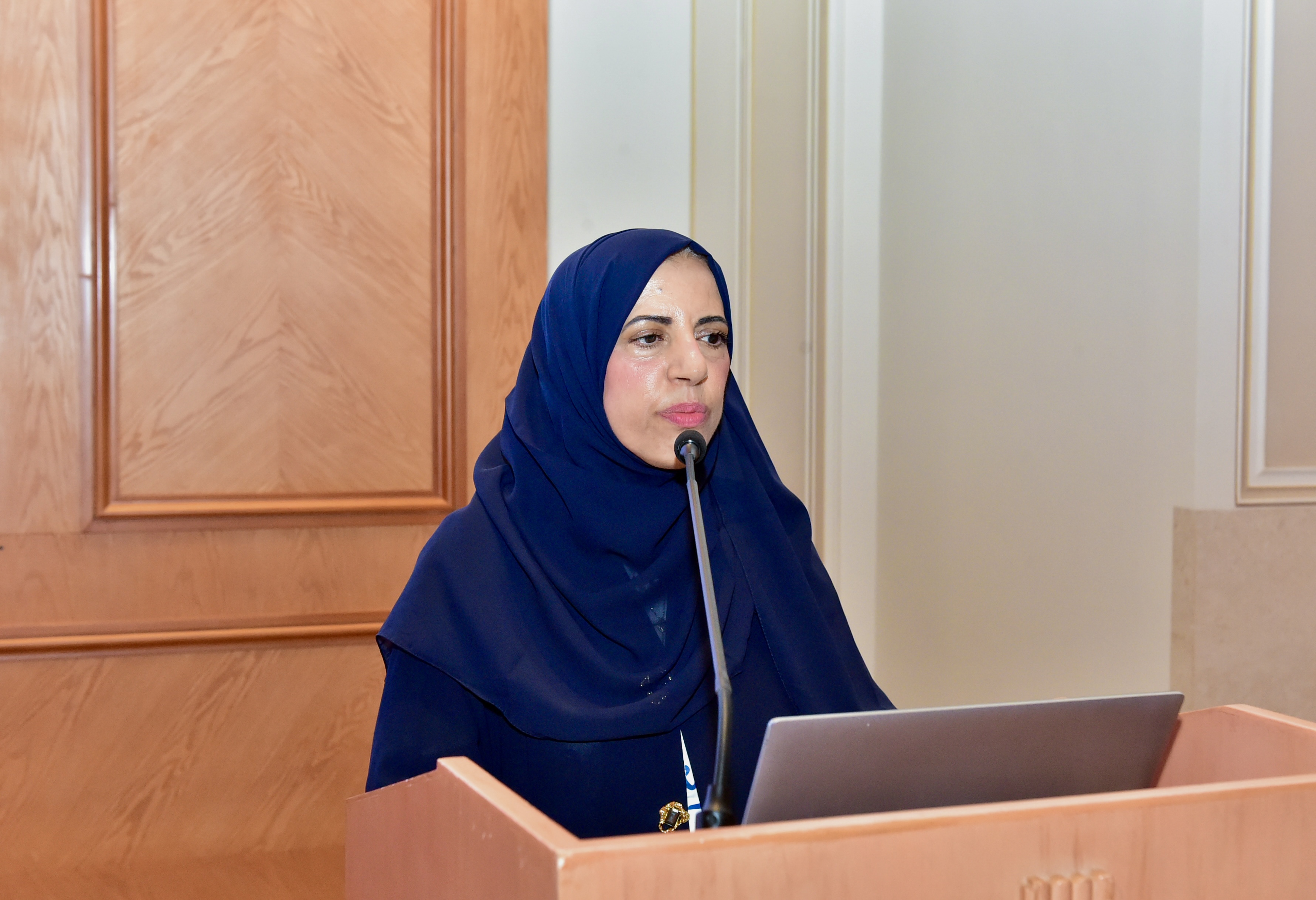
The workshop opened with welcoming remarks by Dr. Badriya bint Mohsen Al-Rashidi, Director General of the Directorate General of Health Services and Program, who underscored the importance of such programs and training workshops and outlined their objectives.
The workshop covered several key topics, including the concept of High-Value Care and the Rasheed Recommendations: why they are needed, their principles and objectives, and their impact on the quality, safety, and efficiency of healthcare. It also addressed the appropriate use of medical tests and investigations in emergency medicine, including when tests should be requested and when they should be avoided.
The workshop also reviewed the standards assessment forms and their application, and discussed the anticipated challenges in implementing the recommendations across the governorates. It concluded with recommendations for an implementation plan and a follow-up mechanism at the governorate level, as well as a mechanism to standardize the understanding and application of the Rasheed Recommendations across governorates.
The workshop also sought to equip participants with the knowledge and skills needed to share what they had learned with physicians and primary healthcare institutions in their respective governorates, thereby contributing to reducing low-value practices, enhancing patient safety, and improving the efficiency of healthcare resource utilization without compromising the quality of care.