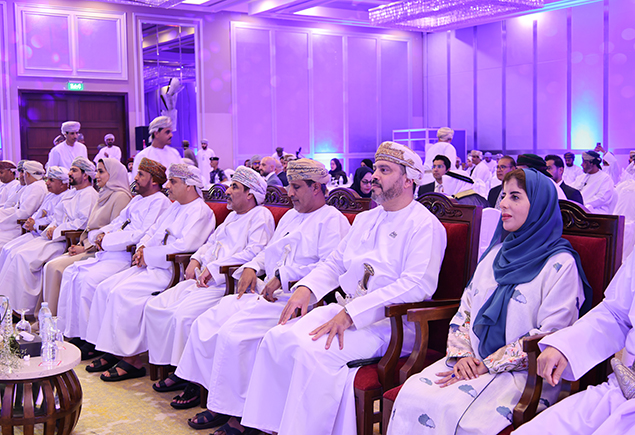
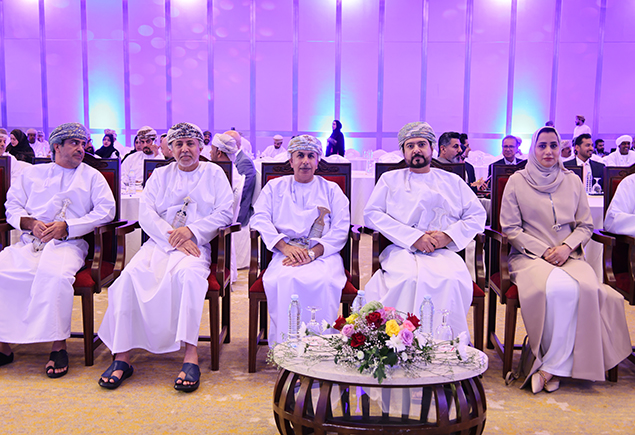
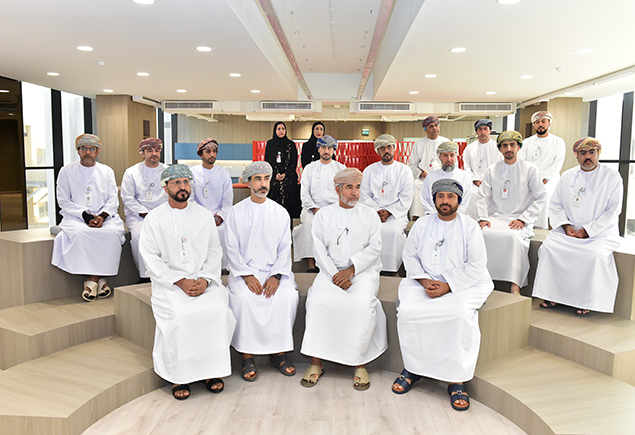
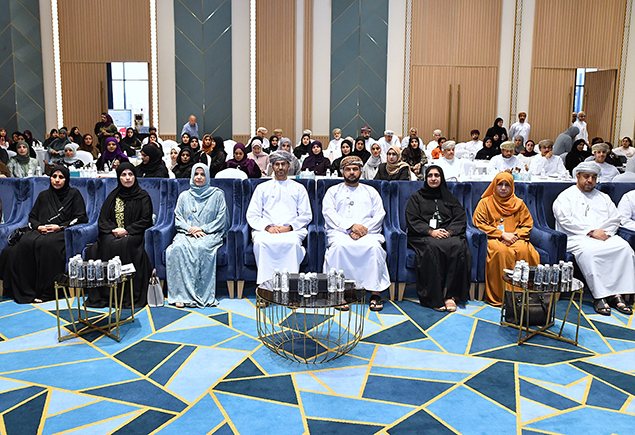
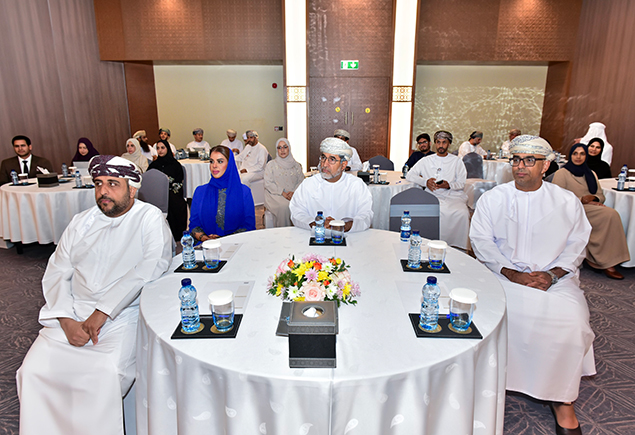
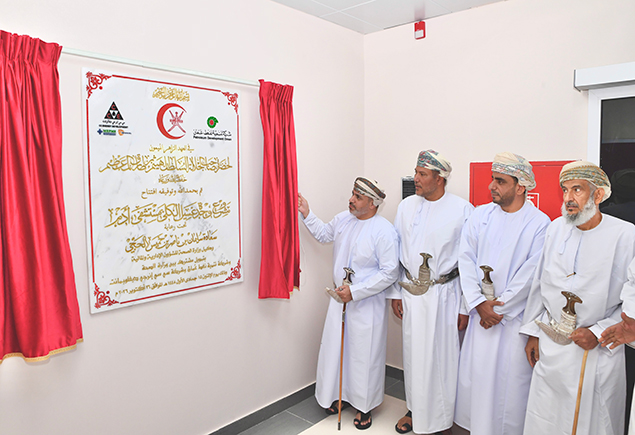
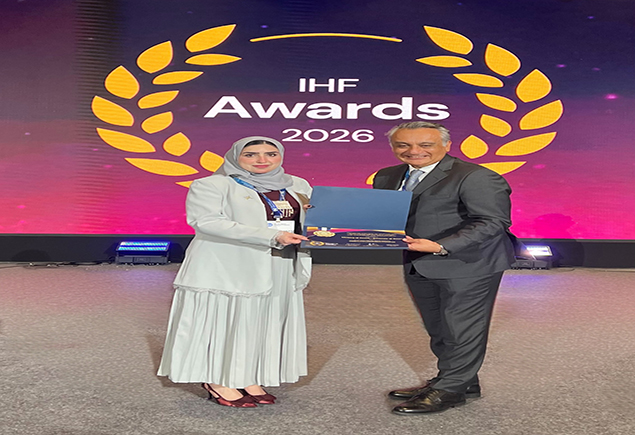
The Public Authority for Special Economic Zones and Free Zones (OPAZ) has announced details of specialized industrial clusters for the pharmaceutical and medical device industries in the zones under its supervision. The announcement was made in the presence of H.E. Qais bin Mohammed Al Yousef, Chairman of OPAZ; H.E. Dr. Hilal bin Ali Al Sabti, Minister of Health; and a number of officials, representatives of private sector companies, and investors in the healthcare sector.
The announcement follows the gracious approval granted by His Majesty Sultan Haitham bin Tarik, may God protect and preserve him, of the proposal to establish economic clusters dedicated to the pharmaceutical and medical device industries within the Special Economic Zones and Free Zones.
A total area of more than one million square meters has been allocated to the specialized industrial cluster for the pharmaceutical and medical device industries, spanning the Salalah Free Zone and Raysut Industrial City and affiliated with the Public Establishment for Industrial Estates (Madayn).
The initiative aims to establish an integrated, specialized industrial ecosystem that strengthens national pharmaceutical security and attracts domestic and foreign investment in the pharmaceutical, biopharmaceutical and medical device industries. It will also leverage Dhofar Governorate's infrastructure and logistical advantages, as well as its connectivity to regional and international markets.
H.E. Qais bin Mohammed Al Yousef, Chairman of the Authority, affirmed that the specialized industrial clusters for the pharmaceutical and medical device industries in the Special Economic Zones and Free Zones reflect the gracious approval bestowed by His Majesty Sultan Haitham bin Tarik, may God protect and preserve him, during his chairmanship of the Council of Ministers meeting at Al Husn Palace in Salalah last September. The initiative also supports the joint efforts of the Public Authority for Special Economic Zones and Free Zones, the Ministry of Health, relevant entities, developers and operators to build a robust pharmaceutical and medical industrial base that meets the needs of the domestic market and opens new horizons for exports.
His Excellency added that the specialized industrial clusters embody the Authority’s vision of developing dedicated economic clusters that enable investors to benefit from integrated infrastructure, logistics services and production activities. They also create opportunities for partnerships among manufacturers, raw material suppliers and service providers, thereby strengthening value chain integration and enhancing the competitiveness of Omani products.
H.E. Al Yousef further noted that the integration between Salalah Free Zone and Raysut Industrial City broadens the range of options available to investors, enabling them to leverage the respective advantages of both locations to support manufacturing, storage, distribution and export projects. He reaffirmed the Authority’s commitment to providing a stable investment environment with clear procedures, and supporting projects throughout their establishment, operation and expansion phases, in partnership with the relevant entities and the private sector.
For his part, H.E. Dr. Hilal bin Ali Al Sabti, Minister of Health, said that developing specialized clusters for the pharmaceutical and medical device industries represents an important step towards strengthening health security by enhancing national production capabilities, diversifying sources of supply, and localizing specialized technologies and expertise. This, he noted, will help ensure the sustainable availability and quality of pharmaceutical and medical products.
His Excellency added that the intended value of these clusters extends to building industrial and technological partnerships, developing national capabilities in production, quality assurance, research and development, and directing investment towards priority health needs. He also underscored the importance of coordination between regulatory authorities and investors to enable projects to reach the production stage in accordance with approved requirements and standards.
Salalah Free Zone allocates approximately 500,000 square meters for pharmaceutical and medical investments, while Raysut Industrial City designates more than 500,000 square meters for the same sector. These areas will accommodate manufacturing projects and supporting activities, while fostering collaboration among factories and companies operating in technical services, packaging, storage and distribution.
In terms of market access, the Ministry of Health reported that the value of Omani exports of pharmaceutical and medical products reached approximately OMR 26.5 million in 2025.
Oman’s participation in the Pharmaceutical Industries Exhibition in Milan in October 2026 also saw the signing of four agreements and memoranda of understanding. These included an agreement to establish a specialized oncology medicines manufacturing plant in Raysut Industrial City, and a memorandum of understanding between Dhofar and Felix Pharmaceutical Industries to strengthen integration and make use of available production capacities. These developments highlight opportunities to link industrial expansion in Salalah with technology partnerships and international markets.
The announcement of the specialized industrial clusters for the pharmaceutical and medical device industries across the various zones forms part of the first phase of the initiative. This phase also includes the establishment of a dedicated zone at Khazaen Economic City, covering an area of more than 500,000 square meters. This will enhance integration among investment locations, broaden the options available to investors, and connect manufacturing projects to transport and distribution networks and centers of consumption.
Domestic demand indicators point to promising opportunities for expanding investment in the pharmaceutical and medical industries. Imports of healthcare products reached approximately OMR 345.2 million in 2024, compared with around OMR 287.1 million in 2020, representing an increase of nearly 20%, according to data from the National Centre for Statistics and Information.
The project comes amid the expansion of Oman’s medical manufacturing base, which currently comprises 20 existing medical factories: seven pharmaceutical factories, two pharmaceutical raw materials factories, and 11 medical supplies factories. In addition, 18 industrial projects are currently under construction and implementation, including 11 pharmaceutical factories, one pharmaceutical raw materials factory, and six factories specializing in medical supplies and devices. These developments reflect the diversity of investment opportunities across the various stages of production and supporting activities.
The total value of current investments in the pharmaceutical sector across the zones supervised by the Authority stands at approximately OMR 238.91 million, distributed across 12 investment projects. These comprise three projects in Salalah Free Zone, with investments totaling OMR 143.99 million; three projects in Sohar Free Zone, valued at OMR 66.92 million; and six projects in Khazaen Economic City, with investments amounting to OMR 28 million. This reflects the diversity and complementarity of investment locations in supporting the localization of pharmaceutical industries and strengthening national pharmaceutical security.
In collaboration with the Ministry of Health, relevant entities, developers and operators, the Authority continues to prepare these clusters to attract specialized companies and facilitate procedures, with a view to translating investment opportunities into productive projects that strengthen pharmaceutical security, boost exports and local added value, and reinforce Oman’s position as a trusted destination for long-term investment in the pharmaceutical and medical industries.