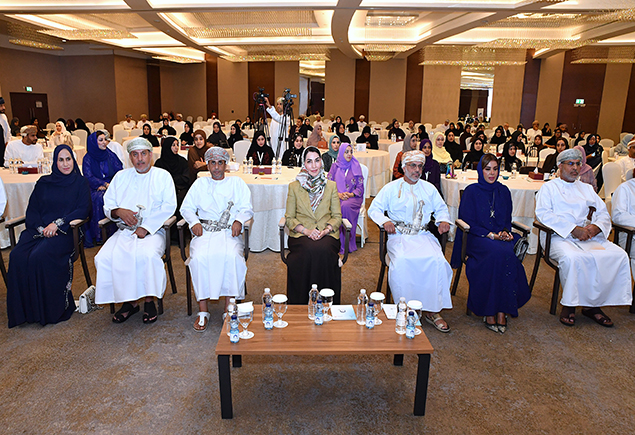
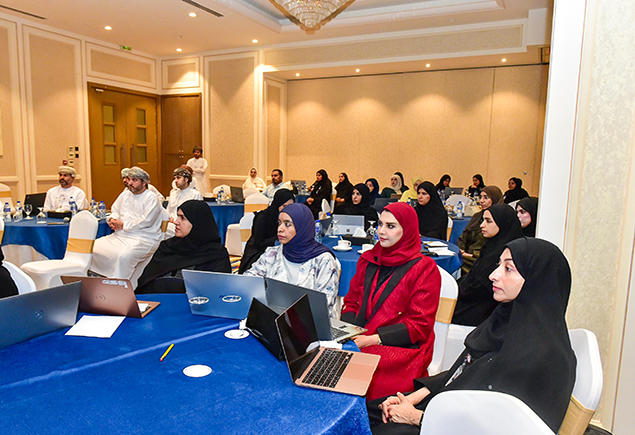
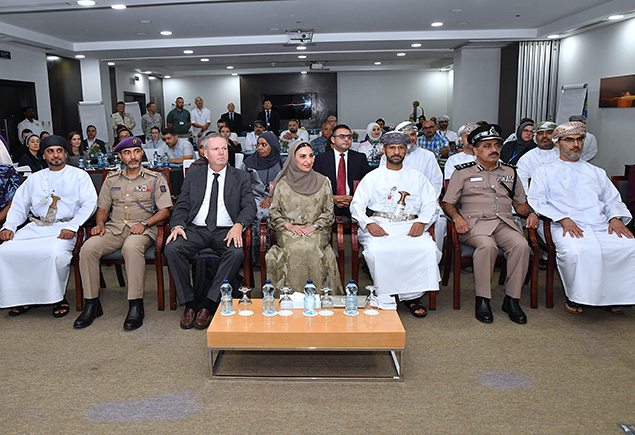
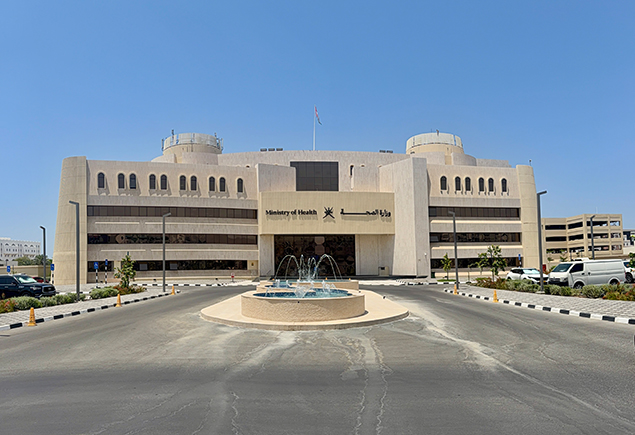
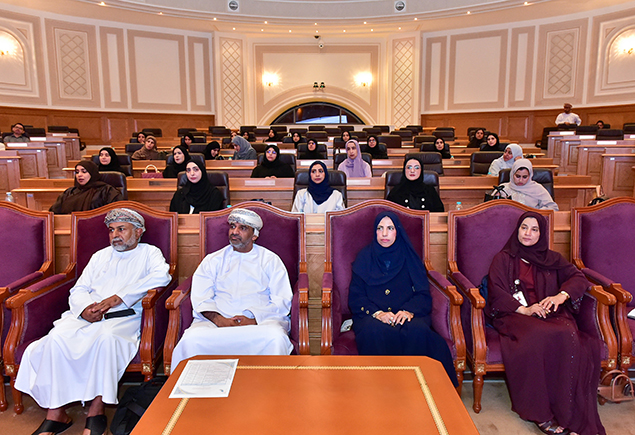
The Ministry of Health, represented by the Quality Assurance Center (QAC), today (Thursday) inaugurated the Scientific Conference of the Oman Patient Safety Month at the Intercity Hotel in Muscat. The event reflects the growing focus on improving healthcare quality and promoting patient safety practices across all levels of healthcare delivery.
The opening ceremony was held under the patronage of Her Highness Sayyida Dr. Mona bint Fahd bin Mahmoud Al Said, Assistant Vice Chancellor for International Cooperation at Sultan Qaboos University and Chairperson of the National Committee for the Prevention and Control of Non-Communicable Diseases. The conference was attended by several Their Excellencies and Ministry officials and drew broad participation from healthcare professionals, specialists, and stakeholders in patient safety, alongside international and local speakers.
In her welcome address, Dr. Qamra Said Al Sariri, QAC Director General, highlighted the longstanding national commitment to patient safety, noting that the Sultanate of Oman has been a pioneer in this field through the adoption of a National Patient Safety Day in 2018. This reflects the country’s commitment to fostering a culture of safety, raising awareness, and supporting efforts to deliver safer and higher-quality healthcare to all members of society.
She added that the Sultanate of Oman has made significant progress in developing its quality and patient safety framework through investment in national healthcare professionals, the development of healthcare institutions, the enhancement of standards and practices, capacity building, the advancement of reporting and learning systems, the promotion of research and innovation, and the strengthening of partnerships with the World Health Organization and regional and international institutions.
Al Sariri pointed out that national initiatives, including Patient Safety-Friendly Hospitals initiatives, have also contributed to embedding the concept of safety within healthcare institutions and strengthening practices that place patient safety at the heart of healthcare delivery.
Furthermore, Dr. Qamra Al Sariri, QAC Director General, stated “Today, our ambition extends beyond mere compliance with standards to building a strong and enduring culture of safety, a culture in which we learn from errors, anticipate risks, use data to inform decision-making, design services from the patient’s perspective, and make safety an integral part of every practice and every decision.
Dr. Alaa Hashish, Representative of the World Health Organization (WHO) Office in the Sultanate of Oman, said that patient safety in the context of non-communicable diseases (NCDs) is not a peripheral issue, but lies at the heart of healthcare quality. He emphasized that it is essential to achieving universal health coverage and represents one of the key avenues for strengthening trust between individuals and the health system.
He explained that the WHO emphasizes that safe care for patients living with NCDs does not begin or end at the hospital door. Rather, it extends across the entire continuum of care, from prevention and early detection through diagnosis and treatment, to follow-up and self-care.
The WHO Representative added that the Sultanate of Oman’s experience in this field “is a source of pride and provides a strong foundation for further progress,” noting that patient safety efforts in Oman have evolved from initiatives and training program into a more established system encompassing risk management, the promotion of a culture of reporting and learning, accreditation, and continuous improvement in the quality of healthcare.
Dr. Hashish also noted that the Ministry of Health’s Quality Assurance Center, as a World Health Organization Collaborating Centre for Quality and Patient Safety Training, represents an important national asset through which the Sultanate of Oman can contribute to regional learning and knowledge exchange, rather than merely benefiting from them.
Meanwhile, Dr. Shatha Saud Al Raisi, Director of the Non-Communicable Diseases Prevention Department at the Ministry of Health, presented a paper addressing the current situation of non-communicable diseases in the Sultanate of Oman and the health and economic burden they pose. She emphasized the importance of shifting the focus from treatment towards creating a safer healthcare journey for patients by strengthening prevention and early detection, improving the quality and integration of healthcare services, and reducing complications through continuous follow-up.
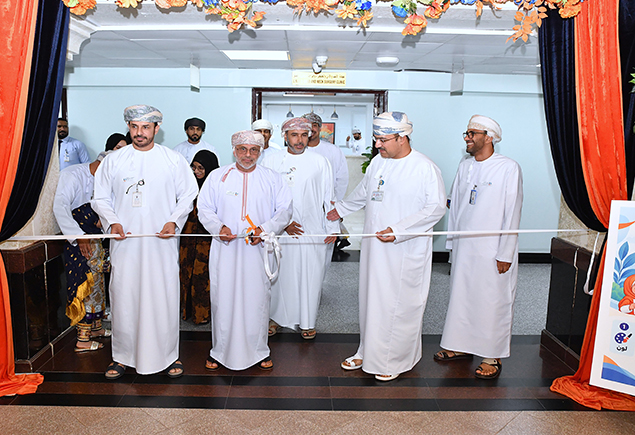
On the sidelines of the conference, Her Highness Sayyida Dr. Mona bint Fahd bin Mahmoud Al Said inaugurated the accompanying exhibition, which provides an interactive platform for showcasing experiences and expertise and highlighting key initiatives and practices that foster scientific dialogue and support the continued advancement of the healthcare sector.
The organization of the conference reaffirms that patient safety is a fundamental pillar of healthcare quality and an important pathway for advancing the health system and enhancing the preparedness of medical professionals, in line with the objectives and priorities of Oman Vision 2040 for developing the healthcare sector and strengthening its efficiency and sustainability.
The conference also underscores the importance of uniting efforts and expertise and exchanging experiences to advance healthcare practices and enhance the quality of performance.
The conference sessions and presentations addressed a range of topics related to patient safety and healthcare quality, while also showcasing expertise and experiences and discussing scientific approaches to strengthening safe practices across different levels of healthcare delivery. These included leveraging lifestyle interventions to address non-communicable diseases; enhancing the safety of healthcare delivery and improving patient safety in the management of diabetic foot ulcers using autologous platelet-rich plasma; and assessing the extent to which patient safety is integrated into non-communicable disease program in primary healthcare.
The conference featured extensive scientific discussions and an exchange of expertise and perspectives among participants, focusing on developing practical mechanisms for formulating strategic recommendations that contribute to enhancing the quality of field performance and supporting the development of sustainable implementation plans. These efforts aim to strengthen the efficiency of the health system and foster a culture of safety across the healthcare environment.
Participants emphasized the importance of harnessing available capabilities and resources to provide safe, integrated healthcare that meets the aspirations of the community and supports the sustainability of medical services, ensuring the delivery of safe, high-quality primary and secondary healthcare services to citizens and residents alike.
It is worth noting that the conference reflects the Ministry of Health’s commitment to strengthening the knowledge and professional environment within the healthcare sector and facilitating the exchange of specialized expertise and experiences. This reflects the advanced healthcare capabilities of the Sultanate of Oman and further strengthens its regional and international presence and competitiveness.